A Sector That’s Opening Up
For a long time, aviation in India felt slightly out of reach. People travelled by air, of course, but it still carried a certain sense of occasion. It was not something most families saw as part of everyday life.
That has been changing, slowly but steadily.
You notice it in small, everyday shifts. Direct flights between cities that never had them before. Airports coming up in places that were barely part of travel conversations earlier. Friends who once relied on trains now casually check flight prices first.
This is not a sudden surge. It is a gradual widening of access, and once that begins, it rarely moves backwards.
More Aircraft, More Work Behind the Scenes
When airlines announce large aircraft orders, it often sounds distant, like something meant for industry reports. But the impact is quite straightforward. More aircraft means more routes, more frequency, and a steady increase in the people required to keep things running.
An aircraft does not function on its own. It depends on engineers who maintain it, ground staff who manage operations, teams who handle scheduling, and systems that keep everything in sync. The same pattern holds for airports. Every new terminal or runway brings added complexity. It creates work that most passengers never see, but without it, nothing moves as it should.
Growth in aviation is not just about what is visible in the sky. It rests on everything that supports it on the ground.
Where the Real Demand Is
Most students start with a familiar picture. Pilot or cabin crew. These are the roles they have seen, so naturally, that is where their attention goes. But if you spend a little more time understanding the industry, you begin to see where the larger demand actually lies.
Aircraft Maintenance Engineering is one such area. Every aircraft must be inspected, maintained, and cleared before it can operate. As fleets grow, this responsibility only becomes more critical.
Ground operations form another large segment. Managing passengers, coordinating flights, handling delays, keeping schedules on track. These are routine functions, but they expand directly with the number of flights.
There are also specialised roles in avionics, safety, and airport management. They may not be as visible, but they often offer consistency and long-term career paths.
The Gap No One Talks About Enough
There is a gap in the industry that does not get enough attention.
On one side, there is clear demand. On the other, there are students who have completed courses but are not always fully prepared for the expectations of the job. This is most noticeable in technical roles. A qualification gives you a foundation, but applying that knowledge in a real setting is a different experience altogether.
Students who have had proper hands-on training, who have seen how things work beyond the classroom, tend to settle into roles more comfortably. It is less about standing out and more about being ready.
What the Next Ten Years Might Feel Like
If things continue at the current pace, aviation in India will feel quite different over the next decade. Flying is likely to become more routine across a wider group of people. Airports will continue to expand beyond major cities. Airlines will operate larger fleets, and operations will become more structured.
At the same time, technology will shape the way the industry functions. Systems will become more automated. Aircraft will depend more on advanced electronics. Roles will remain, but the expectations within those roles will evolve. From the inside, it may not feel like a sudden transformation. It will feel more like a steady shift towards efficiency, coordination, and higher standards.
What This Means If You’re Starting Now
If you are considering aviation today, this growth is not just something to observe. It will directly influence the opportunities available to you. Starting early can help, but starting with clarity matters more. Understanding what a role involves, choosing the right course, and training in an environment that offers real exposure can make a noticeable difference.
Those who take the time to get this right tend to enter the industry with greater confidence. Others often find themselves adjusting along the way.
A Practical First Step
If you are exploring this seriously, it helps to begin with institutions that focus on preparing students for real-world roles rather than only covering theory.
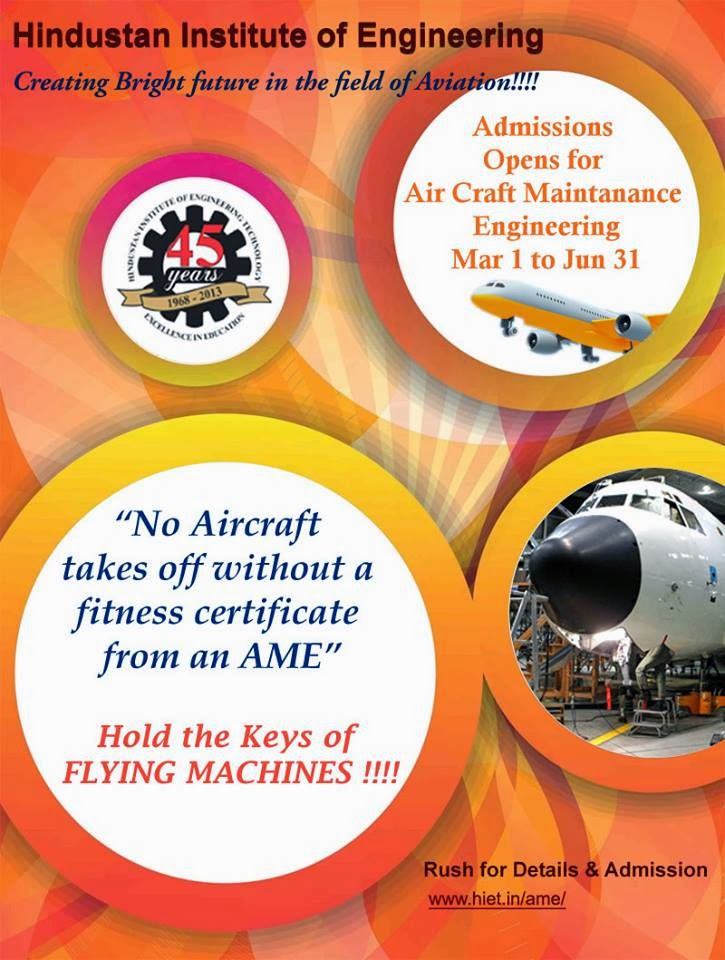
For students in Chennai, Hindustan Institute of Engineering and Technology is one of the established options, particularly for Aircraft Maintenance Engineering. It is worth visiting in person, asking questions, and observing how the training is conducted.
That first visit often gives you a clearer picture than anything you read online.