If you’ve been searching for aircraft maintenance engineering course details, chances are you’re not just casually browsing. You’re probably trying to make a real decision.
Maybe you’re a 12th PCM student who likes aviation but doesn’t want a generic engineering degree.
Maybe you’re a parent trying to understand whether an AME course actually leads to a stable job.
Or maybe someone told you, “Aircraft maintenance engineering has good scope,” and you’re trying to verify that.
Let’s slow this down and unpack it properly.
First, What Is Aircraft Maintenance Engineering — Really?
Aircraft maintenance engineering isn’t about designing aircraft.
It’s about making sure the aircraft already built are safe to fly.
That may sound simple. It isn’t.
This is a DGCA-regulated profession. That means the government controls licensing. It’s not just a college degree you finish and move on from.
After completing an aircraft maintenance engineering course, you don’t automatically become a certified engineer. You clear modules. You gain practical experience. You earn certification privileges gradually.
And here’s something most people don’t tell you:
Without a licensed aircraft maintenance engineer’s approval, an aircraft cannot legally take off.
That responsibility is the backbone of this career.
Why Students Today Are Considering AME
India’s aviation market has quietly become one of the largest in the world. Passenger numbers are climbing. Airlines are placing massive aircraft orders. Airports are expanding.
But aircrafts don’t fly because demand increases.
They fly because someone signs off on their airworthiness.
This is why searches for:
- aircraft maintenance engineering
- aircraft maintenance engineering colleges
- ame course
- diploma in aircraft maintenance engineering
- aircraft maintenance engineering course
have grown steadily over the last few years.
Students are realising aviation has more roles than pilot and cabin crew.
Eligibility: Who Can Apply And Thrive In This Field?
To enroll in an aircraft maintenance engineering (AME) course in India, you need:
- 10+2 with Physics, Chemistry and Mathematics
- Minimum required percentage (varies slightly by institute)
- Medical fitness, including colour vision
PCM is essential if you’re aiming for licensing.
Sometimes students without PCM look for a diploma in aircraft maintenance engineering hoping it bypasses the science requirement. In reality, DGCA licensing norms still revolve around core science understanding.
Note: Aviation DOES NOT compromise on fundamentals.
AME Course Details — What You’ll Actually Study
When people search “AME course details,” they usually expect a subject list.
Yes, you’ll study:
- Aerodynamics
- Aircraft systems
- Turbine engines
- Electrical systems
- Aviation regulations
But what’s harder to describe is the mindset shift.
This isn’t theoretical learning for the sake of exams. Every topic connects to safety.
Depending on specialization, students choose categories like:
B1.1 (Aeroplane Turbine – mechanical focus)
B1.3 (Helicopter Turbine)
B2 (Avionics)
The B2 pathway overlaps conceptually with B Sc Avionics programs. Aircrafts today rely heavily on digital systems, navigation electronics and automated flight controls. That’s why interest in diplomas in aircraft maintenance engineering avionics options has increased.
Aircrafts are becoming smarter. Maintenance engineers must become sharper.
Diploma vs Degree: Where Many Students Get Confused
Let’s address this fully:
A diploma in aircraft maintenance engineering can provide solid technical grounding. It is often more workshop-focused and skill-based.
But a diploma alone does not equal a license.
Licensing requires DGCA module clearance and documented practical experience.
Some institutes offer B Sc Aircraft Maintenance Engineering or B Sc Avionics programs. When evaluating B Sc aircraft maintenance engineering colleges, check whether licensing preparation is integrated or separate.
This matters more than branding.
There are students who assume that any aviation degree automatically grants certification authority. It doesn’t.
The structure matters.
The Licensing Journey — And Why It’s Structured This Way
Here’s how it typically works:
You complete your AME course.
You clear DGCA modules.
You accumulate practical experience.
You apply for your license.
Fresh graduates usually start as technicians or junior engineers before receiving certification privileges.
This gradual progression isn’t bureaucracy for the sake of it.
It exists because aviation tolerates zero guesswork.
Salary Expectations (Let’s Keep It Real)
Entry-level salaries in aircraft maintenance engineering in India typically fall between ₹3.5 to ₹6 lakh per year.
After licensing, compensation can move toward ₹6 to ₹12 lakh annually.
With experience and aircraft type ratings, engineers can earn ₹12 to ₹25 lakh or more.
International markets often pay significantly higher.
India’s Maintenance, Repair and Overhaul (MRO) sector is projected to expand substantially in the coming years, which supports long-term demand.
But here’s the nuance: salary growth is closely tied to module clearance and certification authority. The faster you complete licensing milestones, the stronger your earning trajectory.
Choosing Between Aircraft Maintenance Engineering Colleges
When comparing aircraft maintenance engineering colleges, students often focus on infrastructure photos or advertising.
Instead, ask practical questions:
- Is the institute DGCA-approved?
- How strong is their practical training environment?
- Do they provide real aircraft exposure?
- What does their module pass record look like?
Some recognized names in India include:
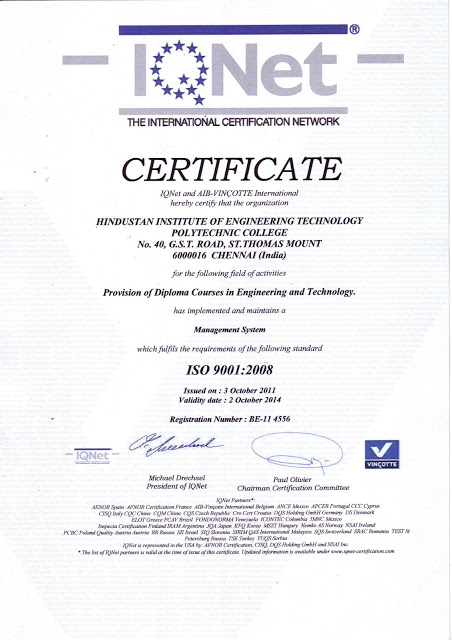
- Hindustan Institute of Engineering Technology (HIET), Chennai
- School for Aircraft Maintenance Engineering (SAME)
- Indira Gandhi Institute of Aeronautics
- Nehru College of Aeronautics
Students researching B Sc aircraft maintenance engineering colleges should ensure the degree aligns with licensing preparation.
Location can also influence exposure opportunities. Institutes near active aviation hubs may offer more dynamic practical environments.
Is Aircraft Maintenance Engineering a Good Career?
It depends on temperament.
If you dislike precision, documentation and responsibility, this may feel overwhelming.
If you enjoy technical systems and structured progression, it can be deeply satisfying.
Aircraft maintenance engineering isn’t glamorous. It’s disciplined.
But aircraft fleets are expanding. Maintenance cycles are mandatory. Aviation safety regulations are not optional.
That structural necessity makes this career more stable than many trend-driven industries.
A Final Thought Before You Decide
If you’re exploring aircraft maintenance engineering course details, don’t rush because of hype.
Understand:
- Licensing takes commitment.
- Clearing modules requires focus.
- Practical exposure shapes competence.
Compare diploma in aircraft maintenance engineering pathways carefully.
Evaluate aircraft maintenance engineering colleges beyond surface-level marketing.
If considering B Sc Avionics or B Sc Aircraft Maintenance Engineering, verify how licensing integrates with academics.
Aviation runs on systems. So does this career.
Behind every smooth landing is someone who checked every detail before departure.
If that responsibility excites you — not scares you — aircraft maintenance engineering may be worth serious consideration.